Areas of focus
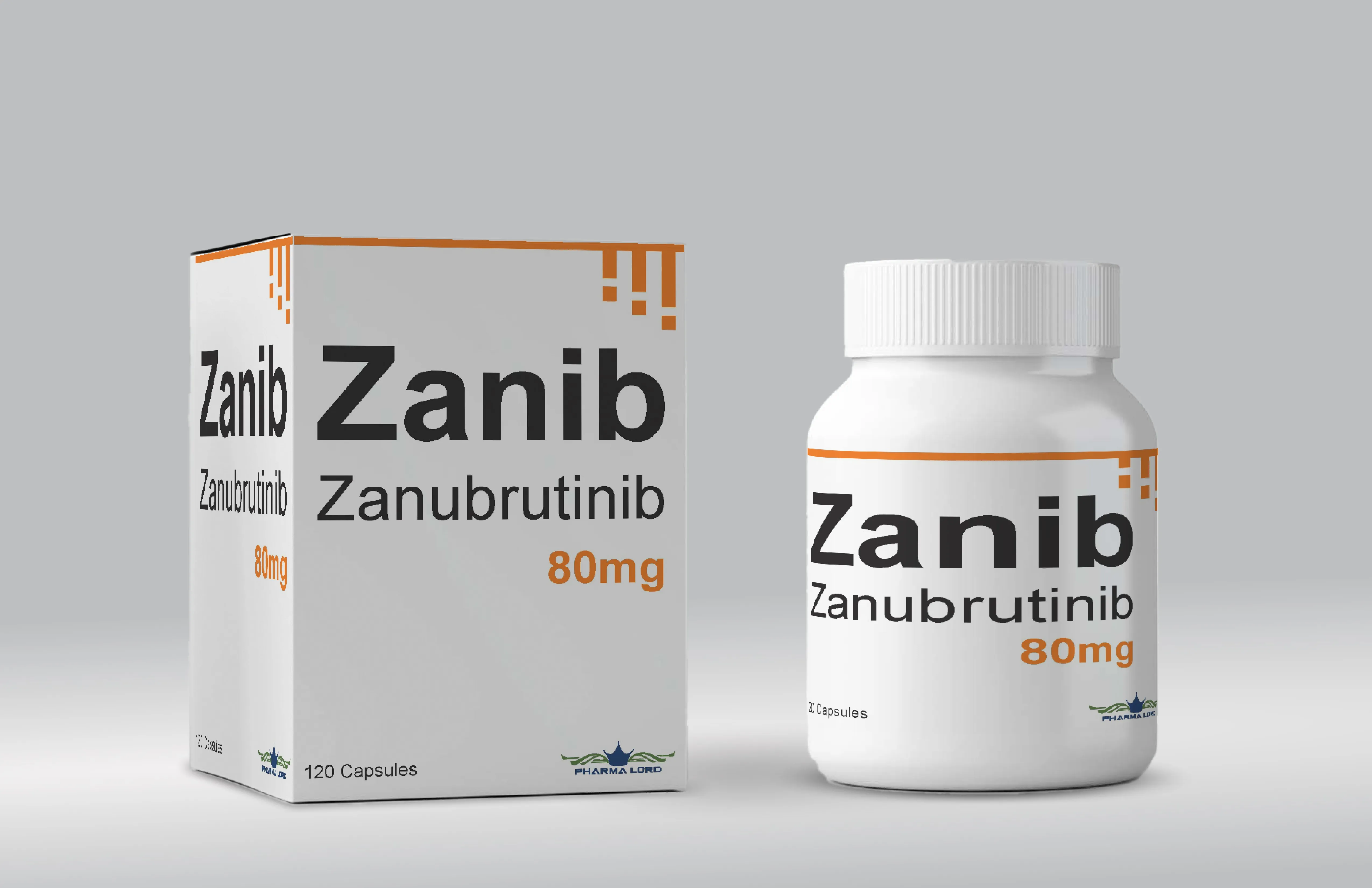
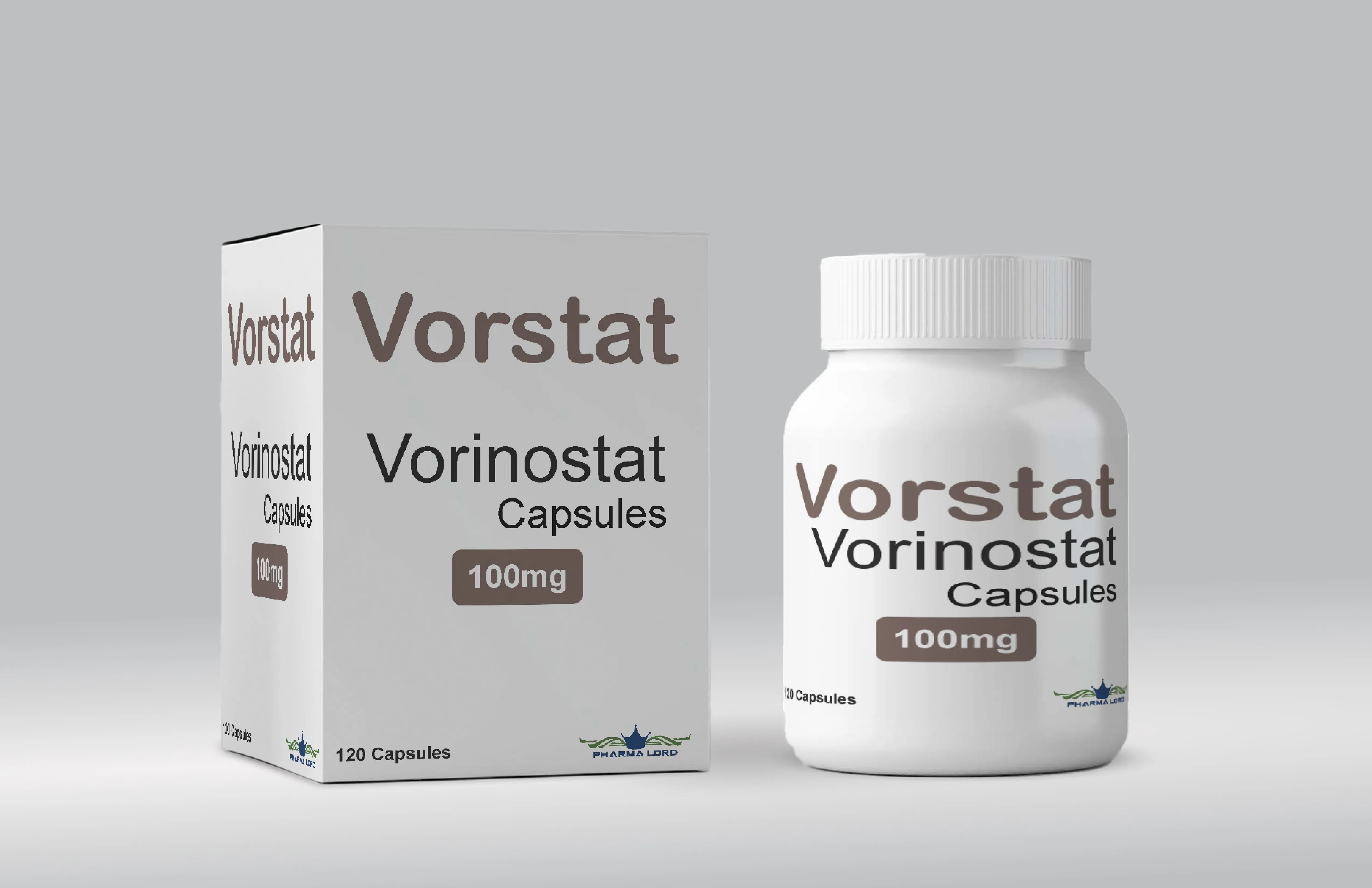
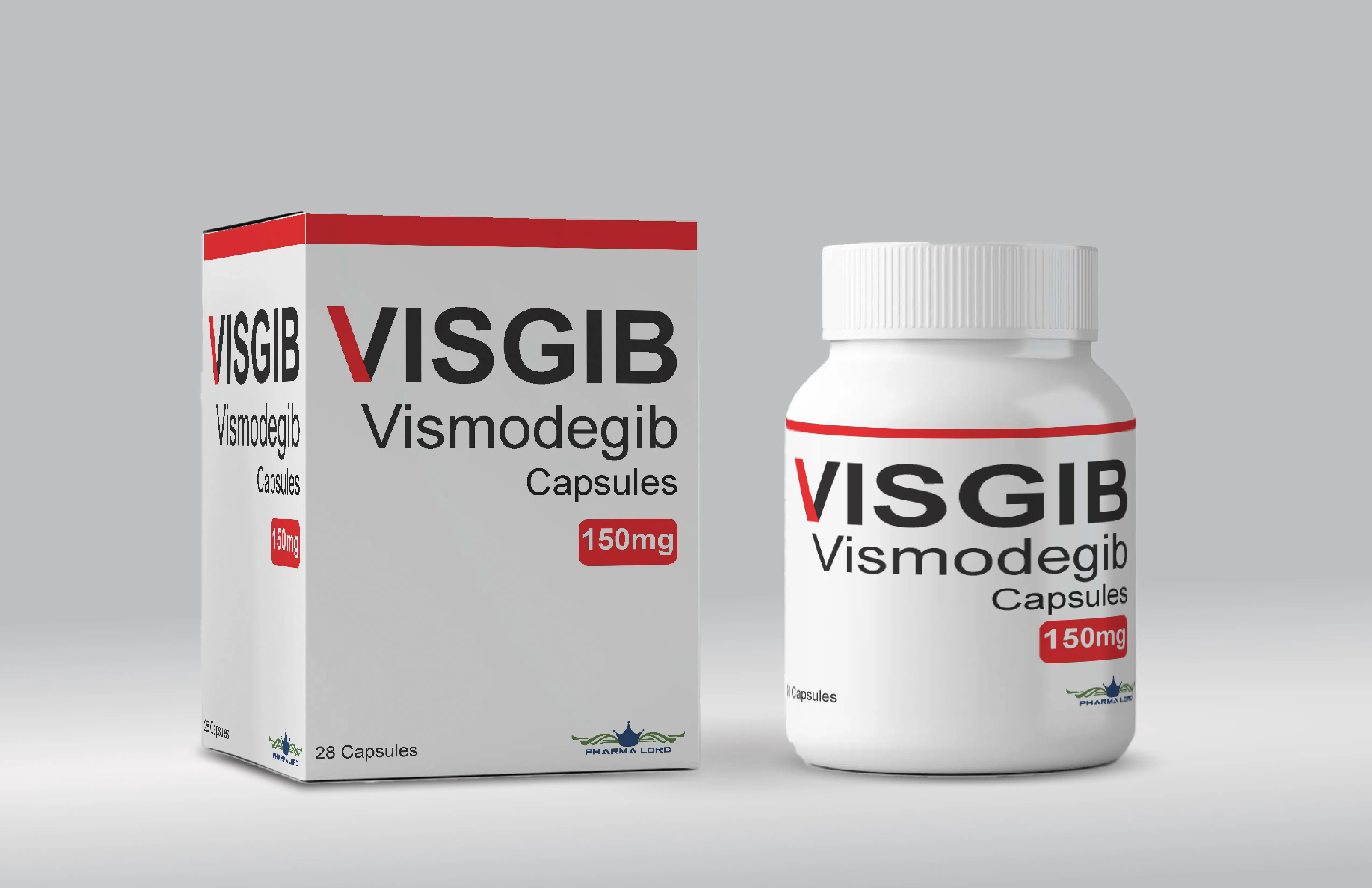
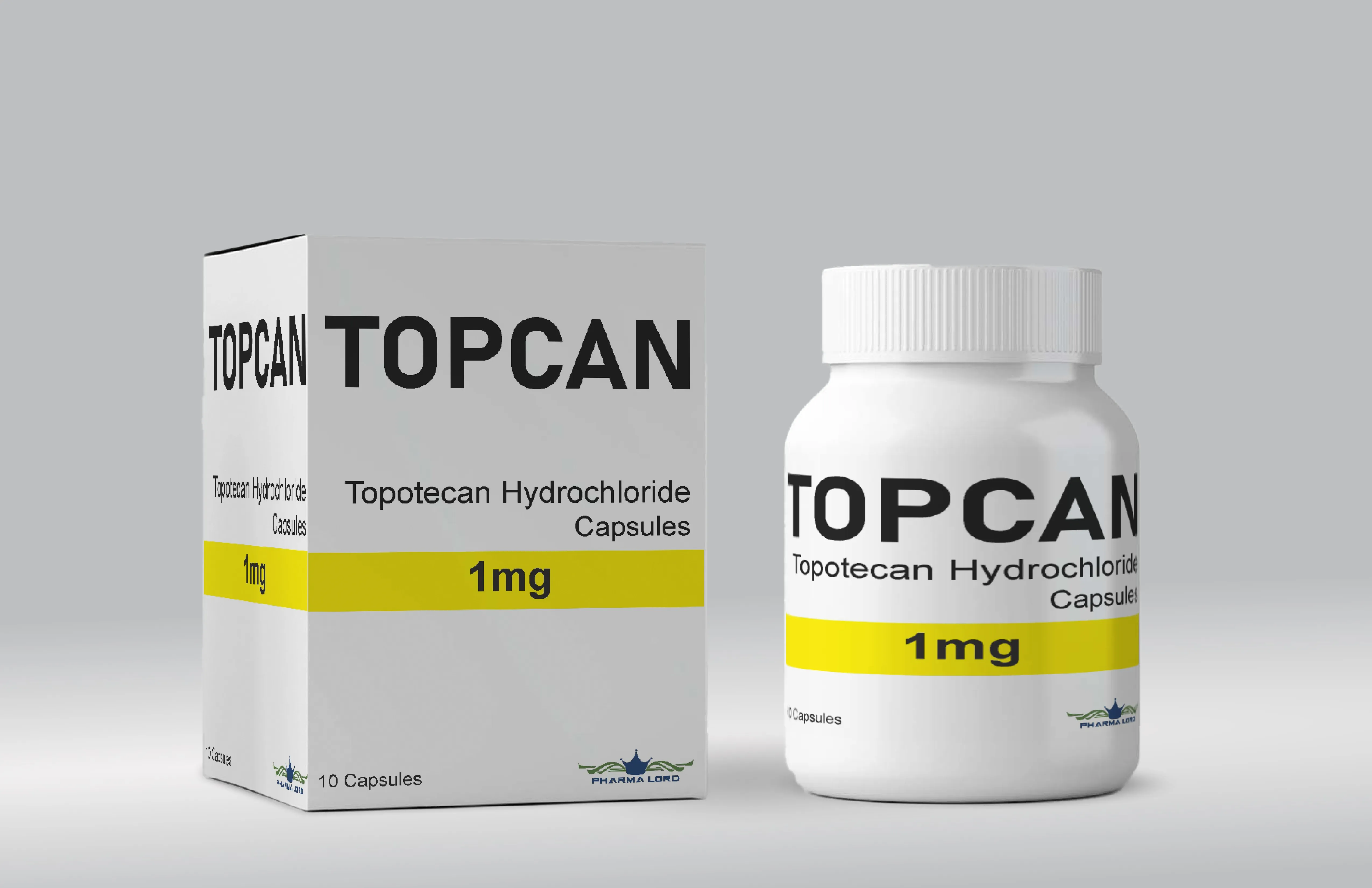
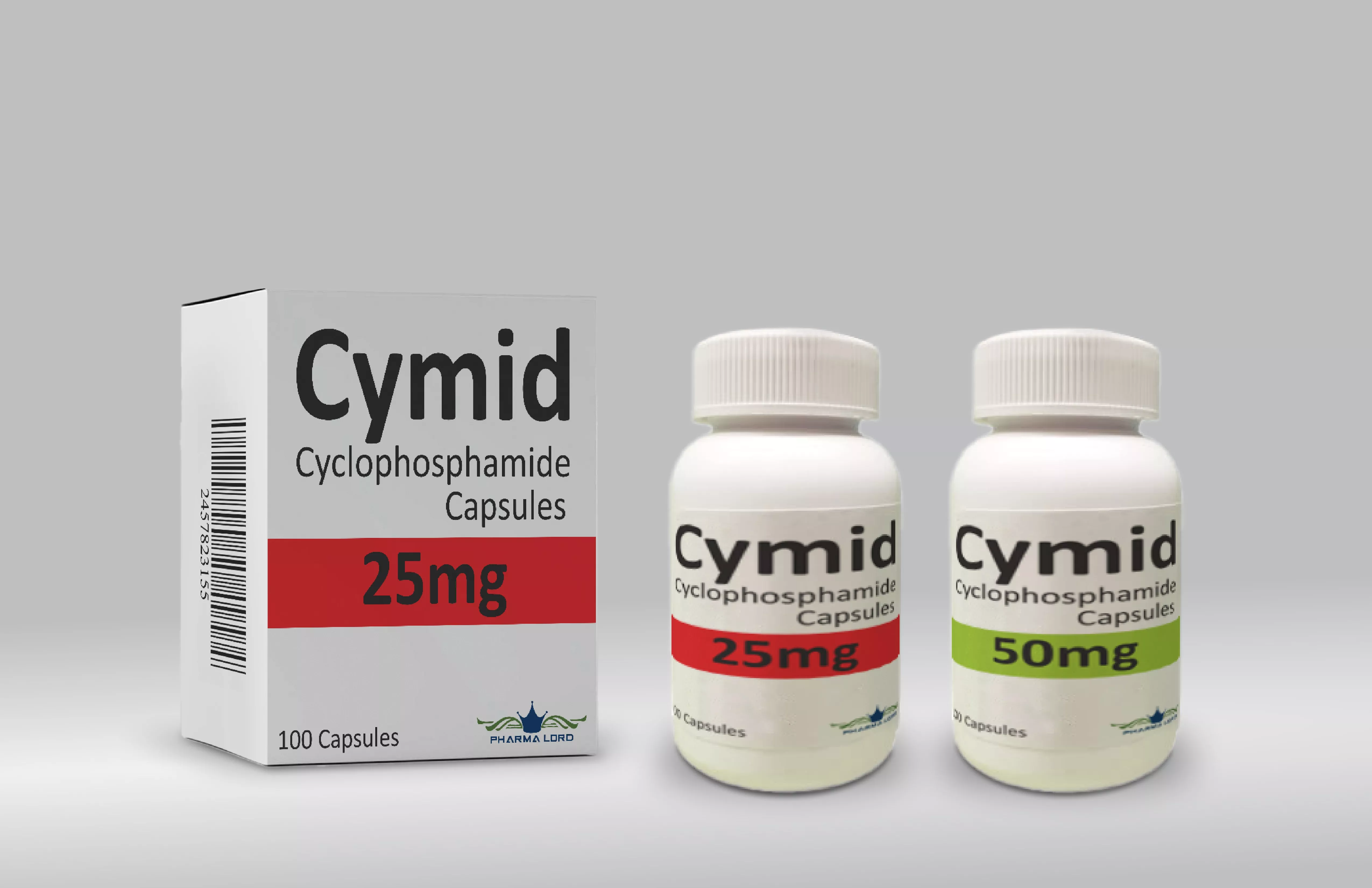
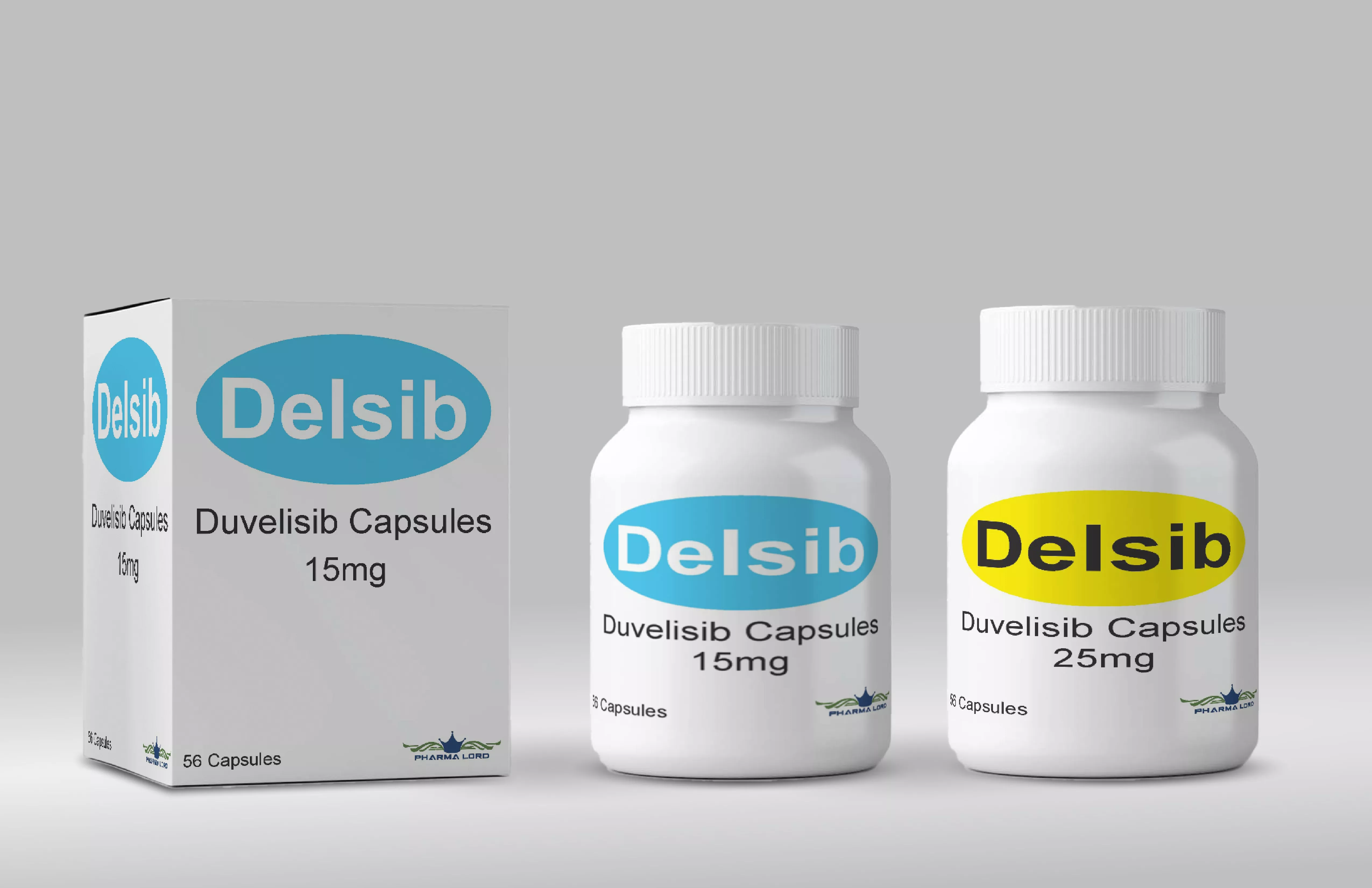
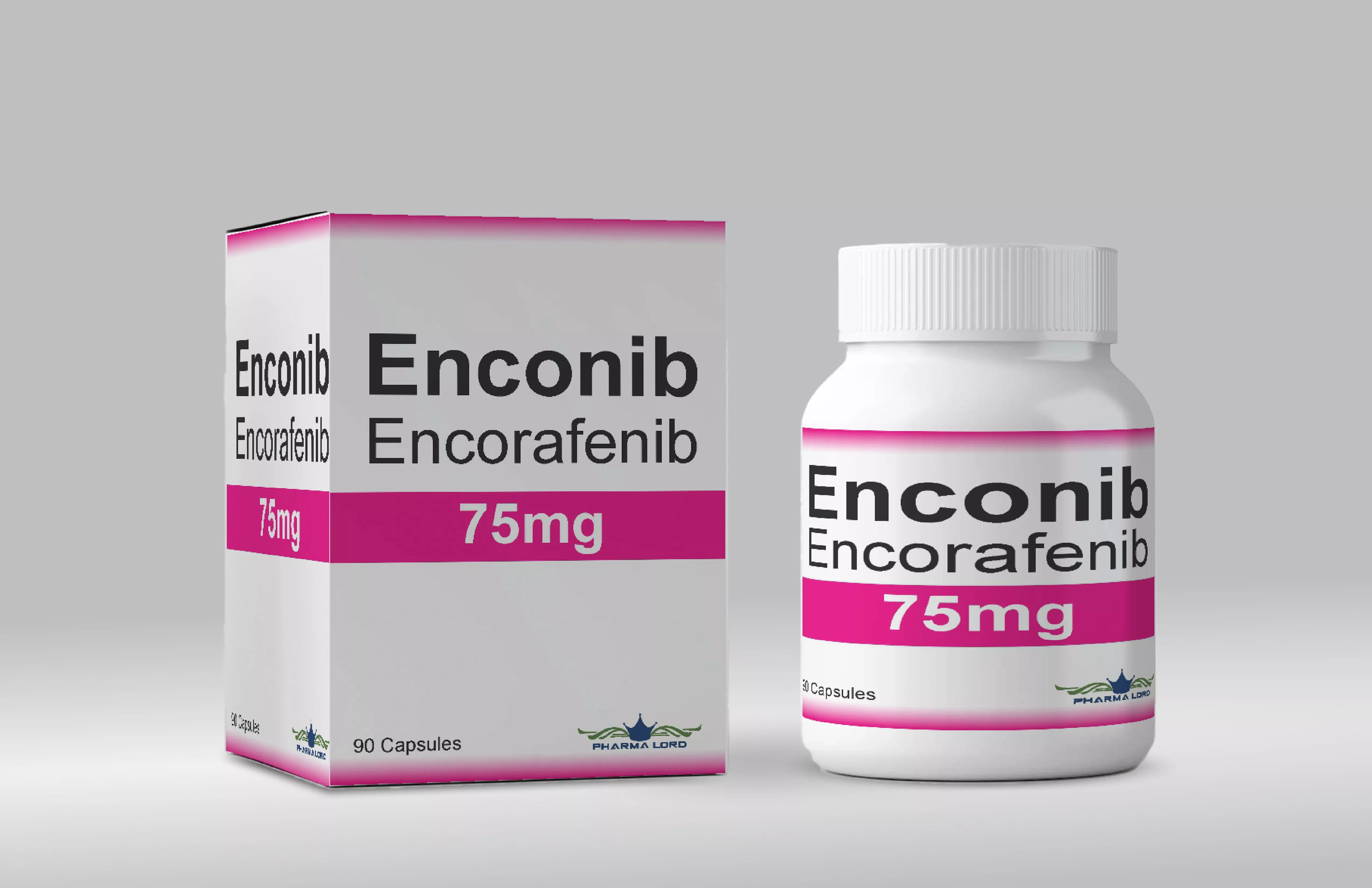
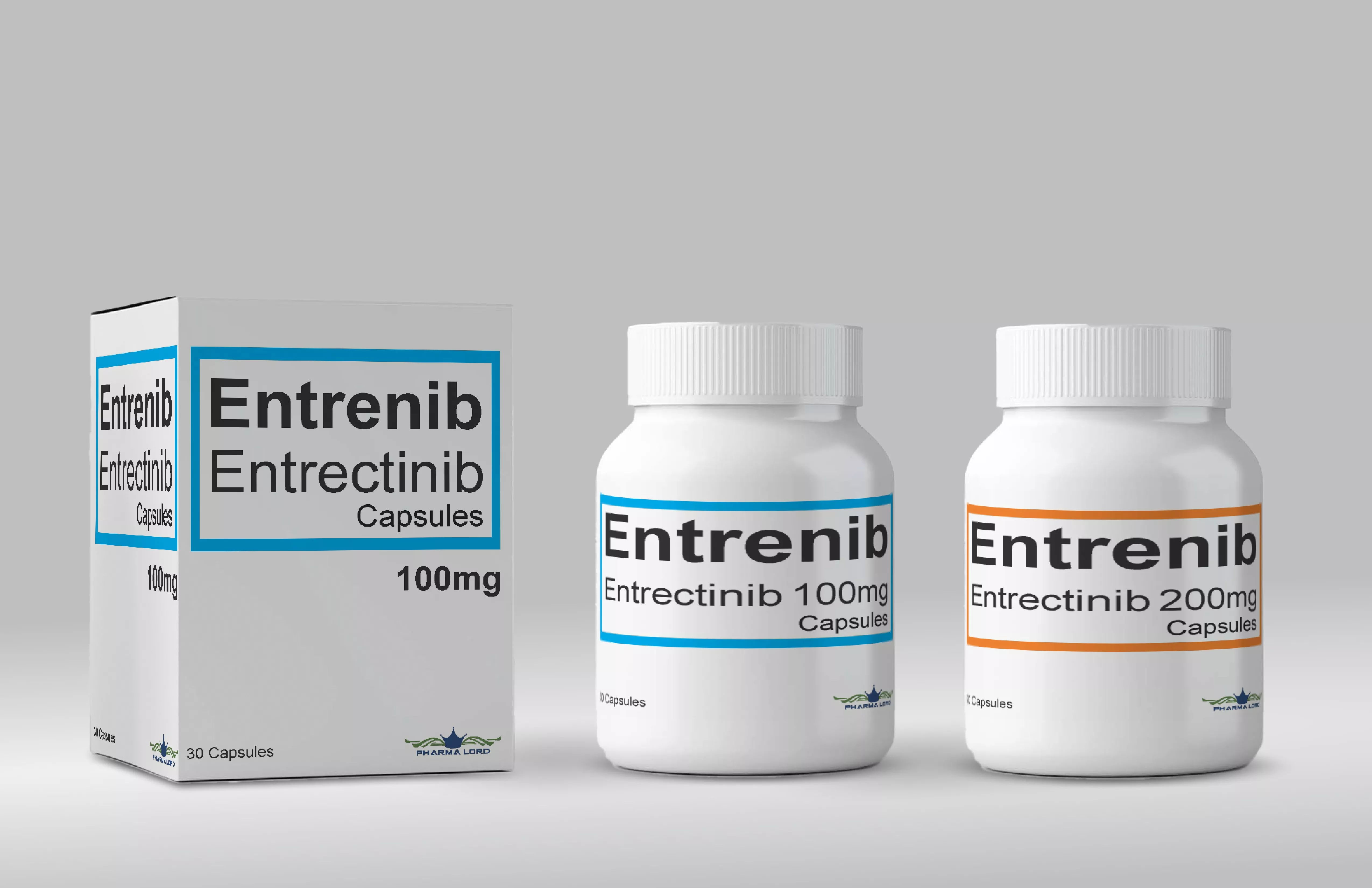
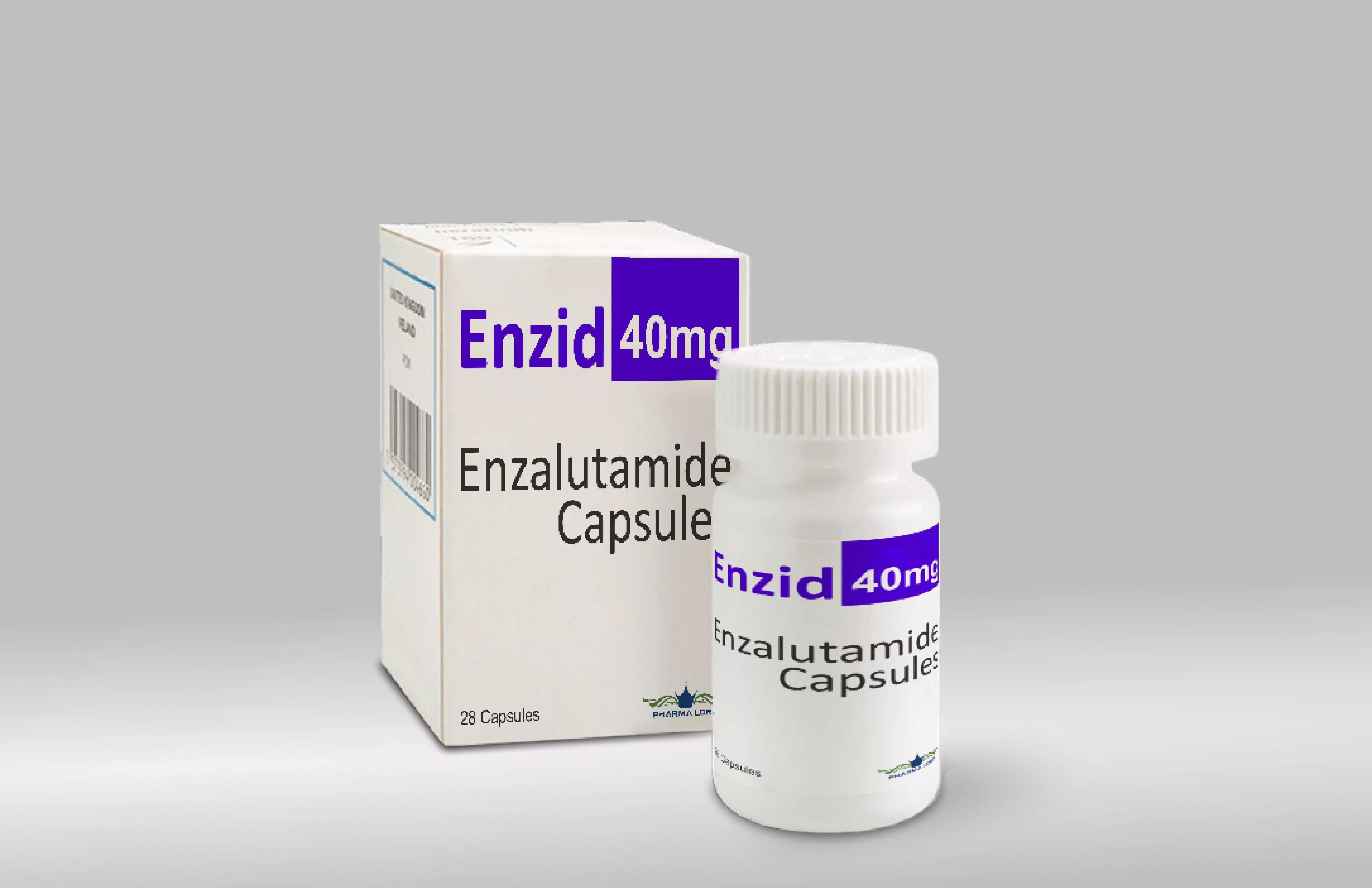
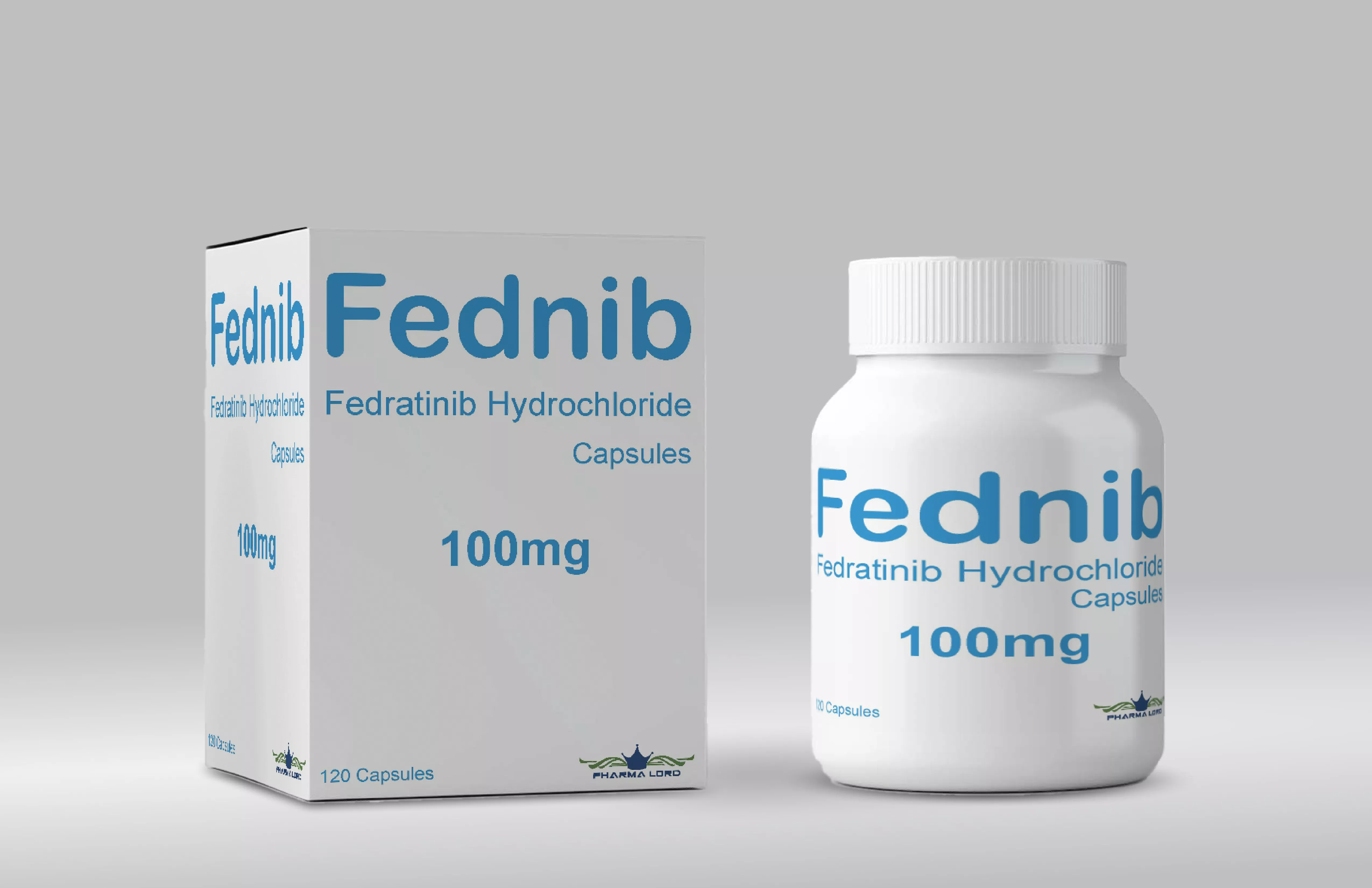
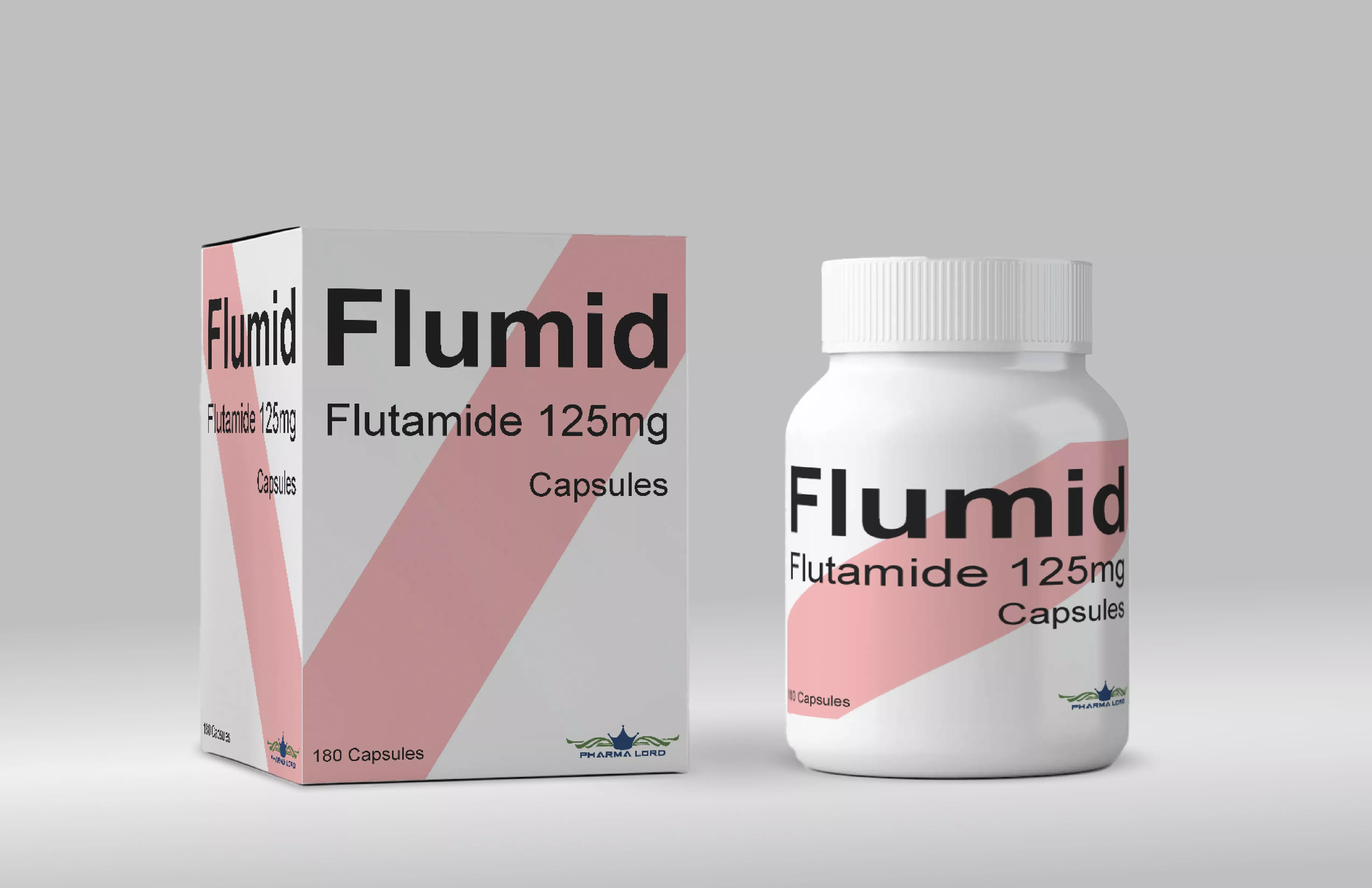
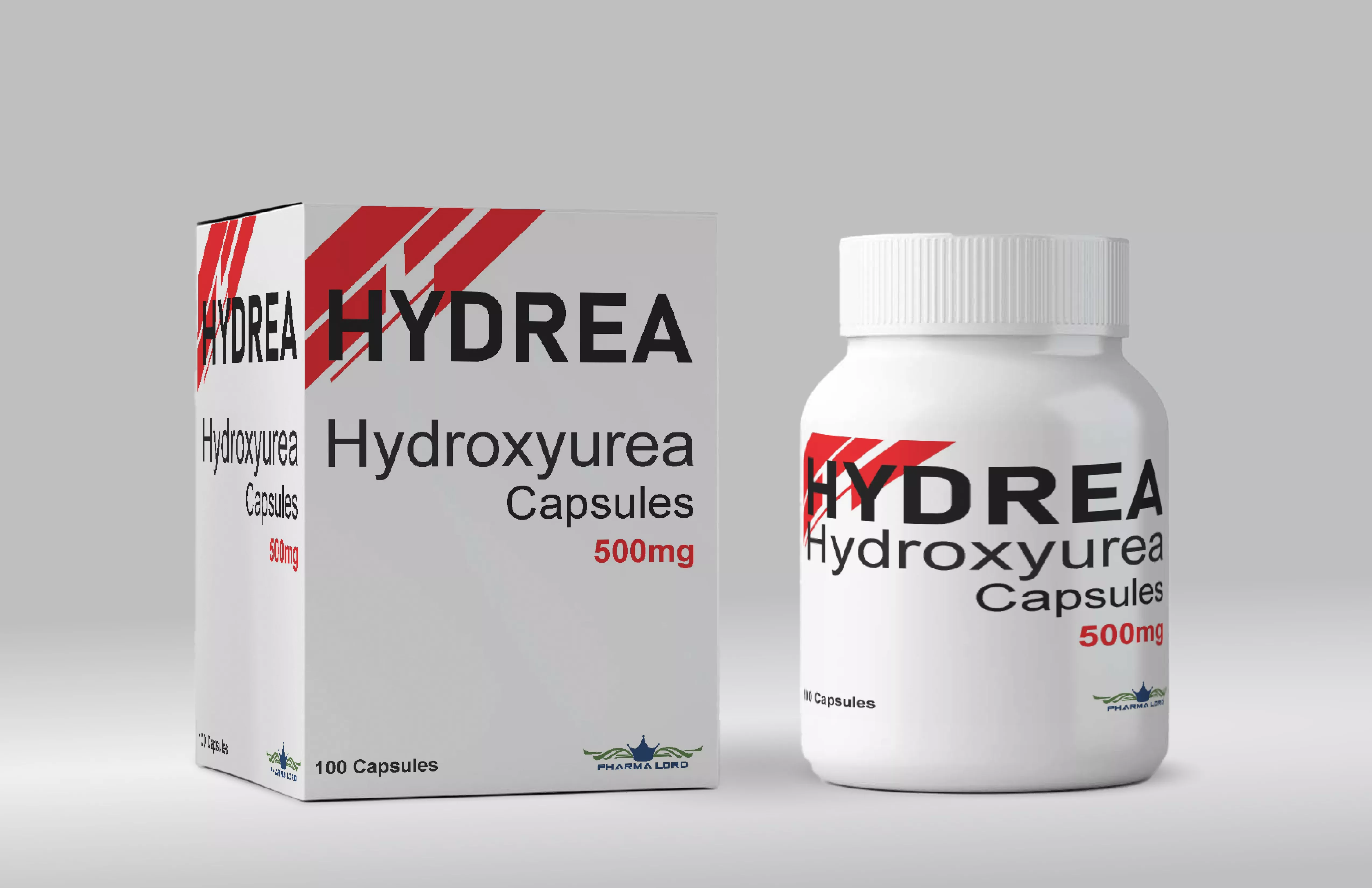
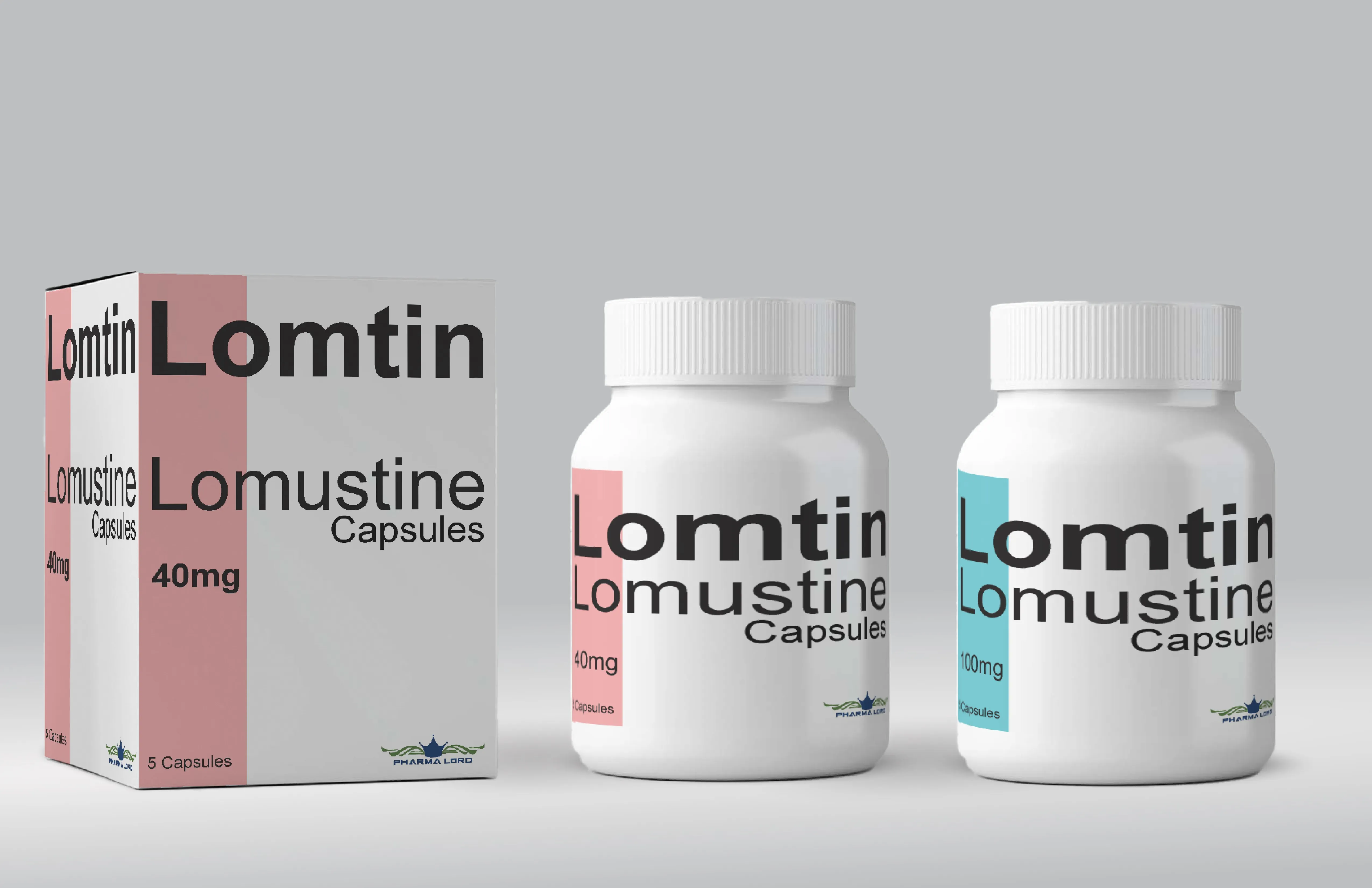
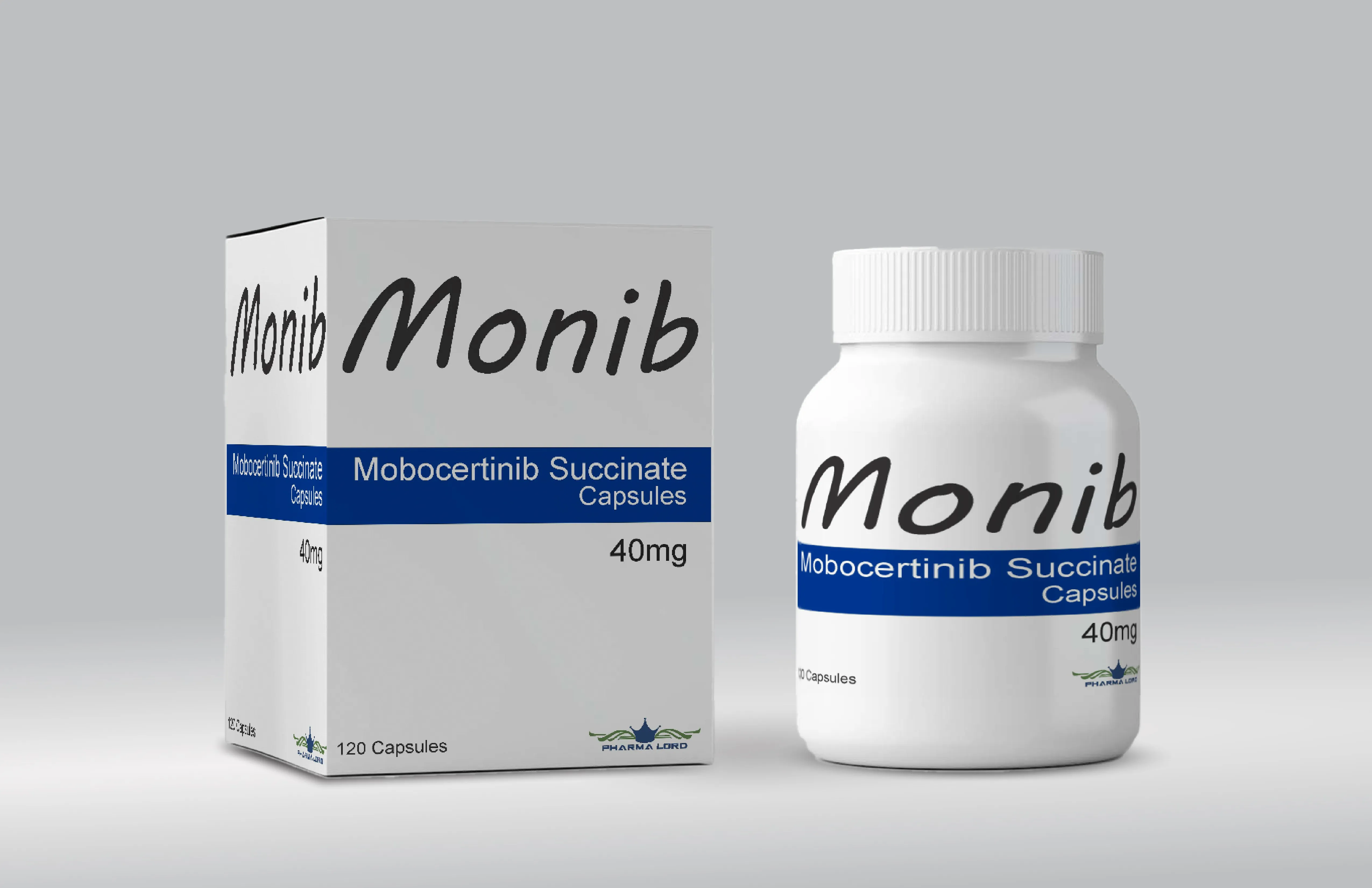
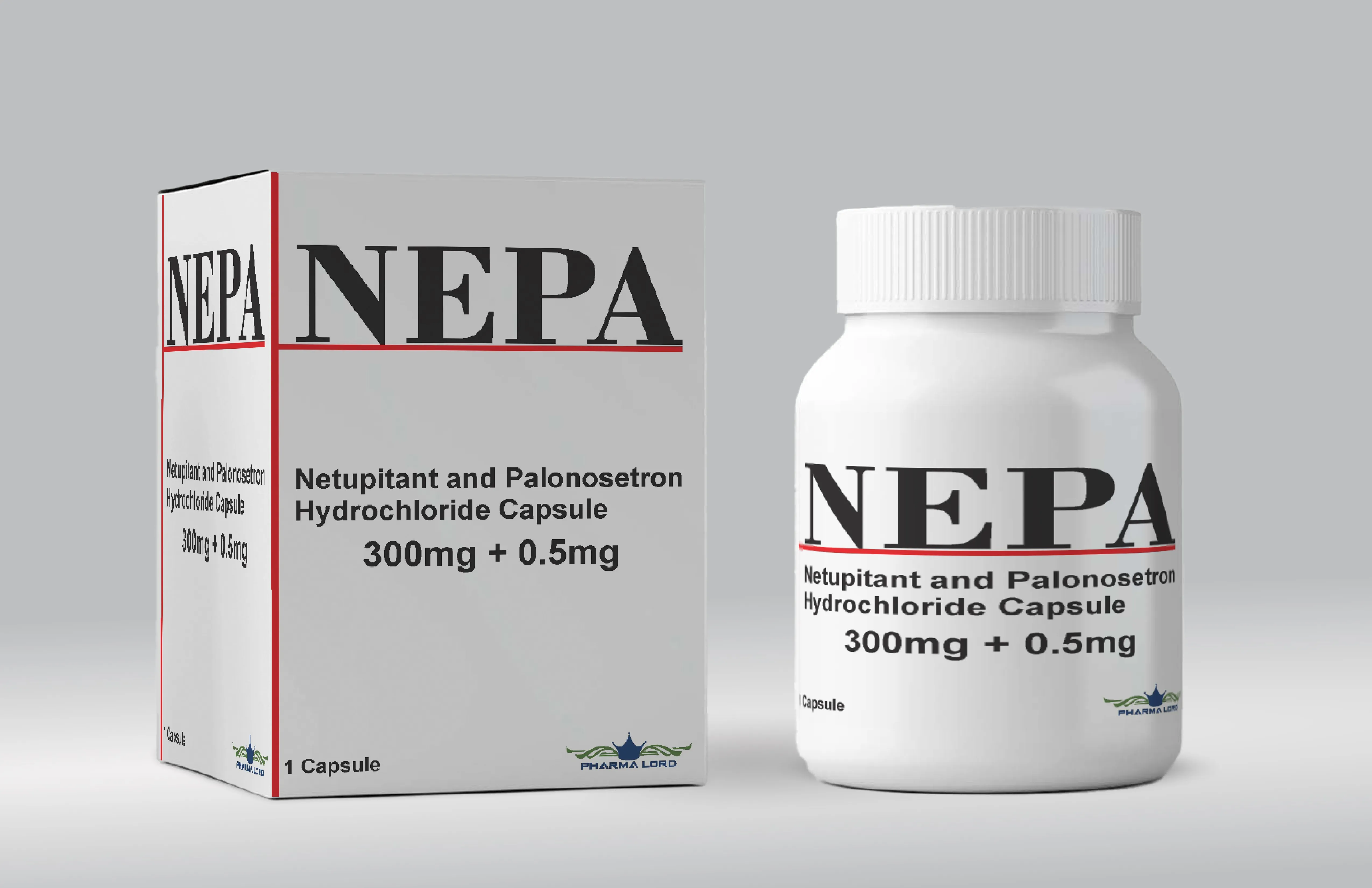
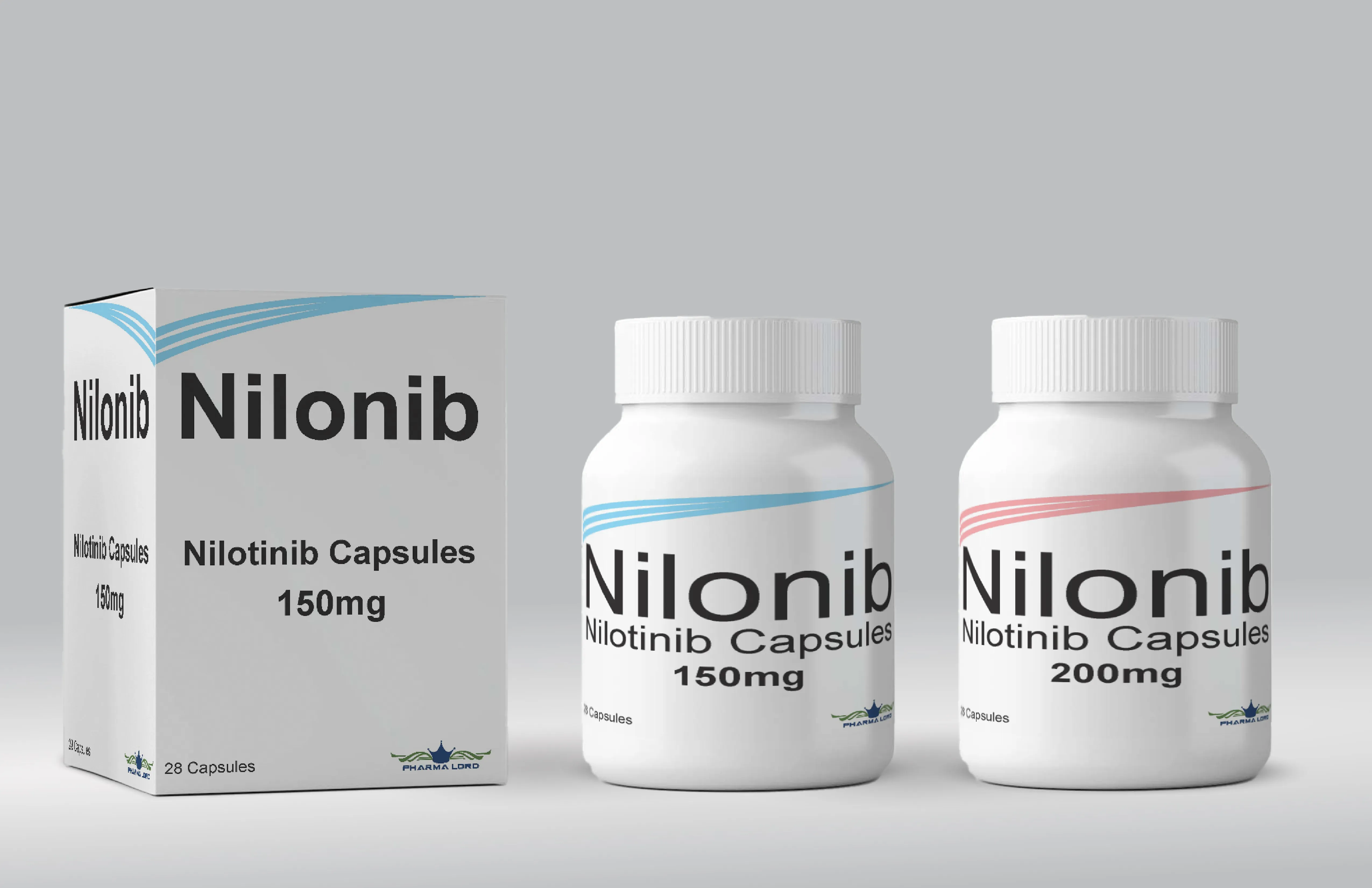
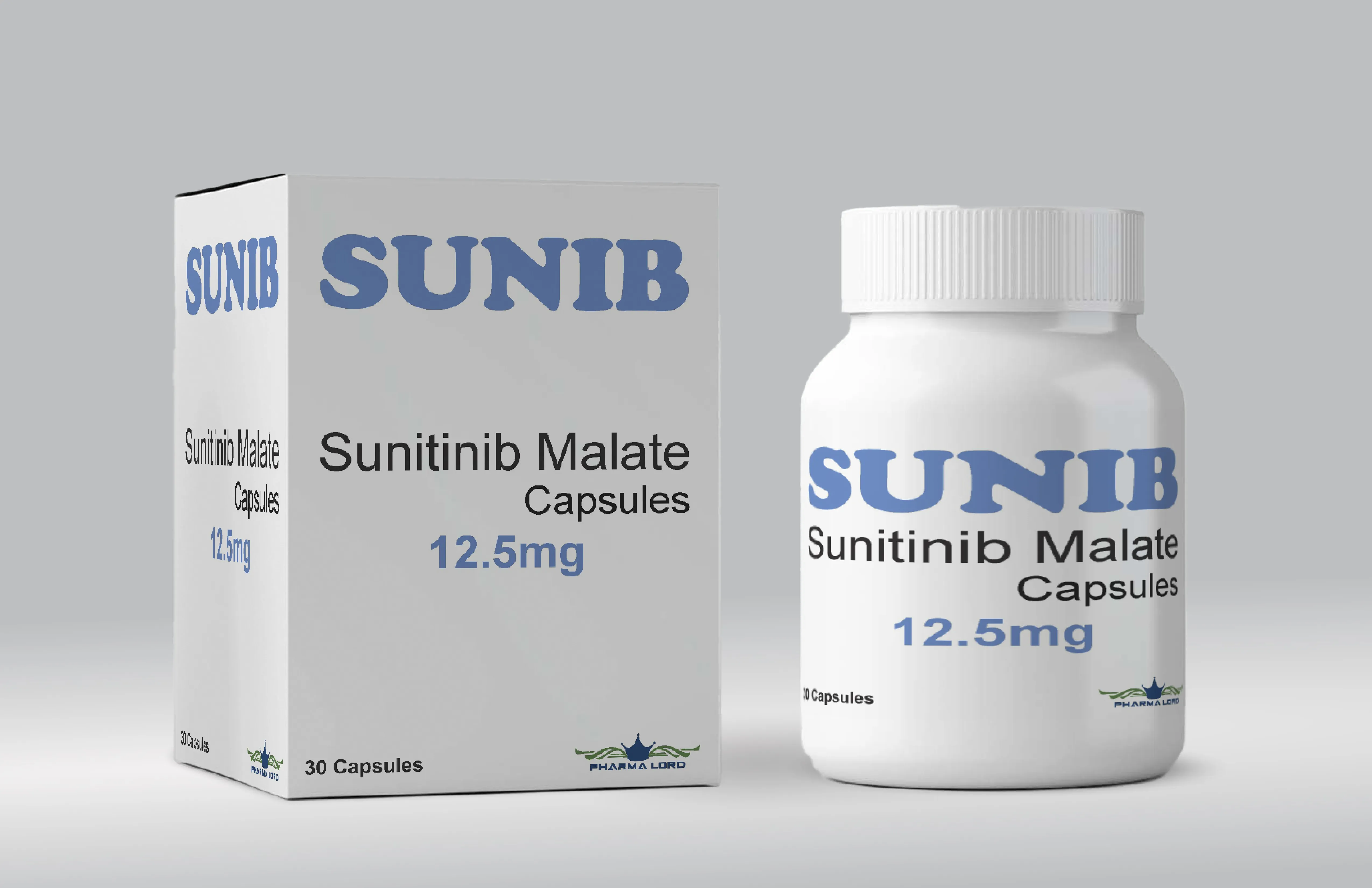
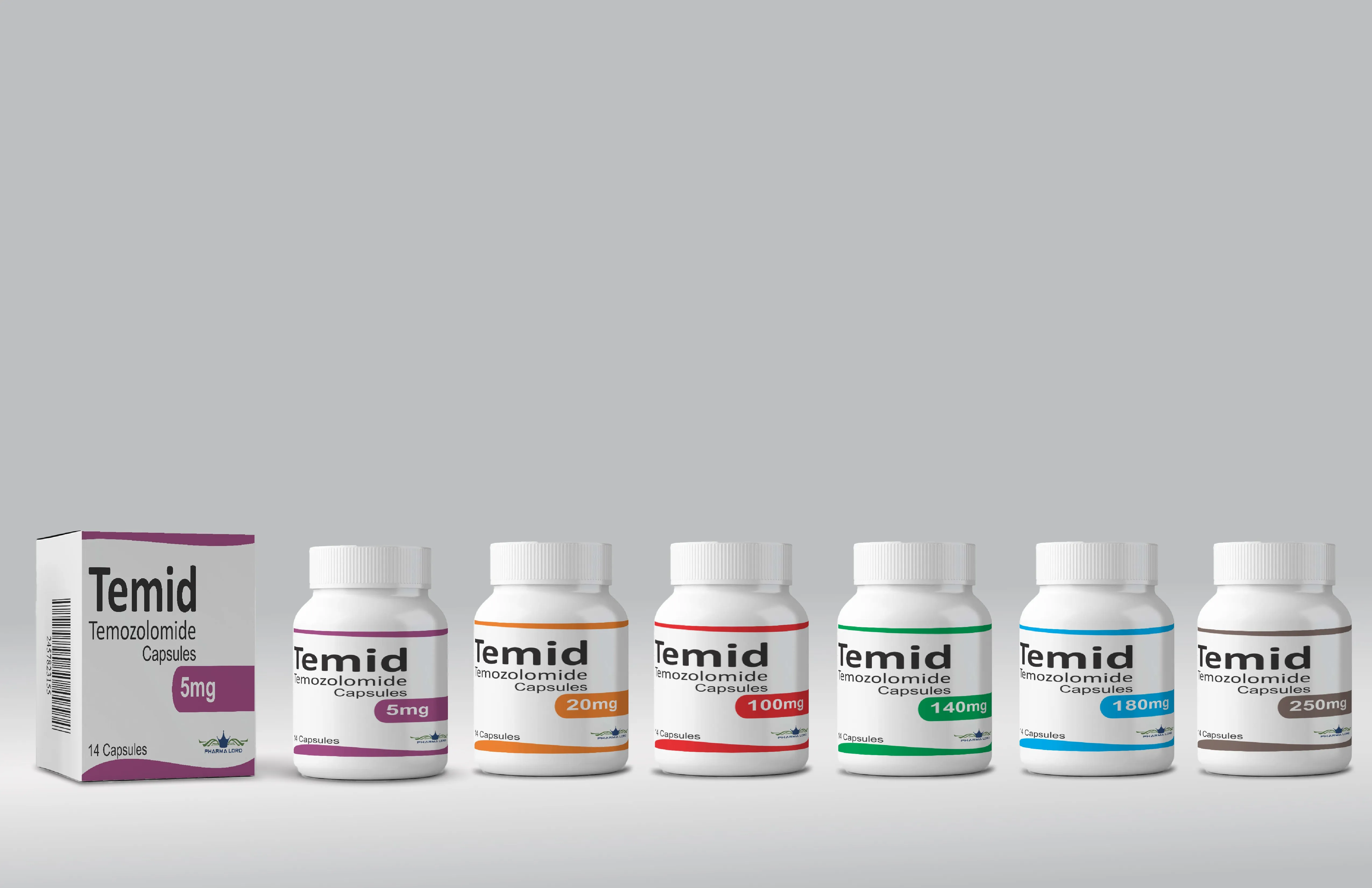
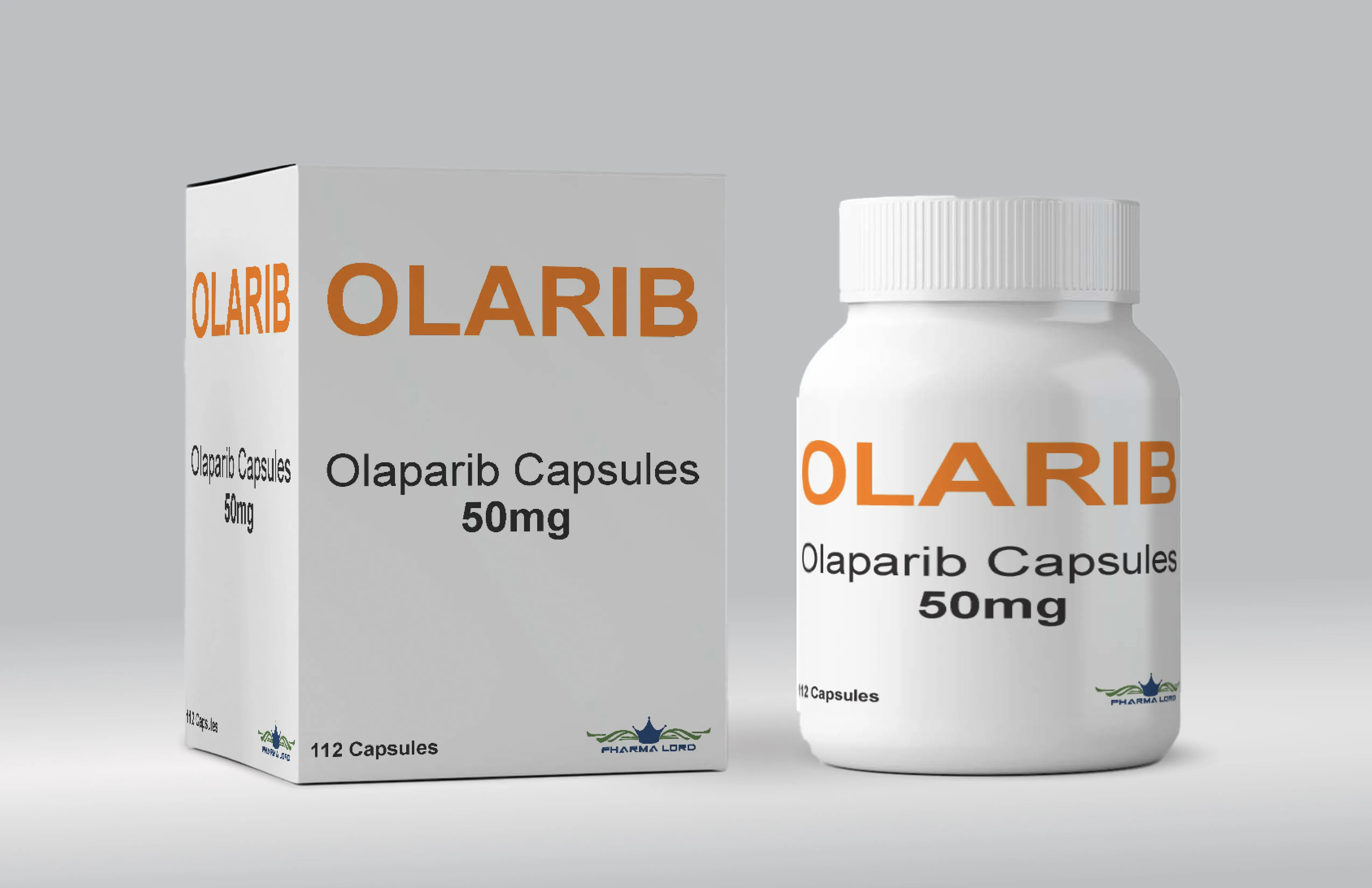
In our relentless pursuit, we aim not just to treat cancer but to pioneer a future where it is unequivocally cured, ushering in an era of health and resilience.
Our mission extends beyond treatment . we are dedicated to forging a world where cancer is not merely addressed, but eradicated, transforming the landscape of healthcare into one of enduring well-being.
Embarking on the battle against infectious diseases, our vision extends beyond containment, as we strive to sculpt a world where health triumphs, fostering a brighter and resilient global future.
In our commitment to confronting infectious diseases, we aspire not just to mitigate their impact but to shape a world where their threat is extinguished, crafting a healthier and more secure environment for all.
Championing the frontier of antibiotic research, we stand as vigilant architects of a healthier tomorrow, forging groundbreaking solutions to combat evolving microbial challenges and secure a resilient future for global health.
In the realm of antibio-tects, our mission is to innovate and fortify the arsenal against infectious threats. We envision a landscape where pioneering antibiotics not only treat infections but become powerful defenders, ensuring the vitality and longevity of public health.